Hi, I'm Jeff
Cornwall, UK. Wife, two kids, and a vegetable patch that mostly behaves.
I'm not a prepper, and I want to be clear about that up front. The mental model here isn't a bunker or the apocalypse. It's a fire extinguisher. You don't expect the house to burn down, but you keep one anyway, because it costs very little and the downside of not having it is severe.
I started thinking this way during the covid lockdowns. That was the first time it really landed how much we lean on systems that can quietly stop working — mains water, mains power, the weekly supermarket shop. Recent years have only underlined it. I started asking what we'd actually do if one of them failed for a week, and I didn't love the answers.
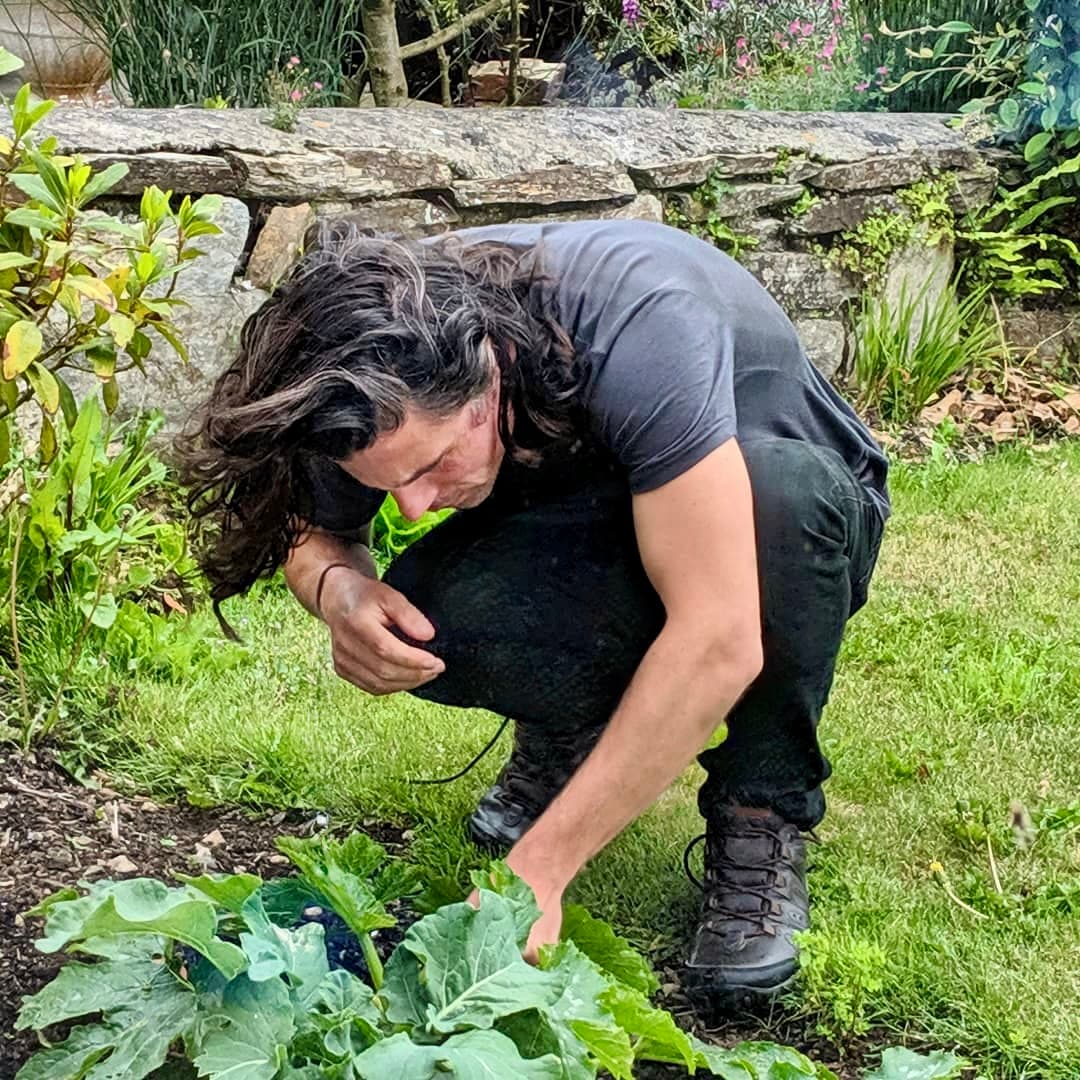
So I started closing the gaps, one sensible step at a time — somewhere to get clean water, a bit of organised food storage, a plan for when the power goes off. I grow some of our own food too (the photo isn't staged — that's my patch). This site is where I write down what I've worked out: the same notes I'd give a friend who asked where to begin.
How I research
Before I recommend anything, I research it properly — manufacturer specs, long-term owner reviews, and the expert testing that's already out there, cross-checked for what actually holds up rather than what markets well. I pay close attention to community sources too: places like r/preppers and r/selfreliance are where you find out what still works after eighteen months, which brands have dreadful customer service, and which “survival gear” is just camping kit with a markup.
Where I've used something myself, I'll tell you. Where I haven't, I'll tell you that too. I won't pretend otherwise — doing this honestly is the whole point.
The point of all this
I'm not preparing for the end of the world. I'm preparing for the next time the boiler breaks in January and I haven't got time to panic. For the next burst pipe. For the next supermarket gap. For the next extended power cut.
These are not extreme scenarios. They're things that happen to ordinary families in ordinary houses. Having a plan for them doesn't need a bunker or a wilderness survival course. It needs a way to get clean water, a bit of organised food storage, and some thought about what you'd do if the lights went out for a week.
Not sure where to start?
Take the quiz. Tell me about your home and I'll tell you which gap to close first.
Find My Starting Point